






Choose the Right Fuel Pump, Keep Your Car Running Smoothly! Pro Driver’s Go-To Guide for Fuel Pump Shopping & Pitfall Avoidance
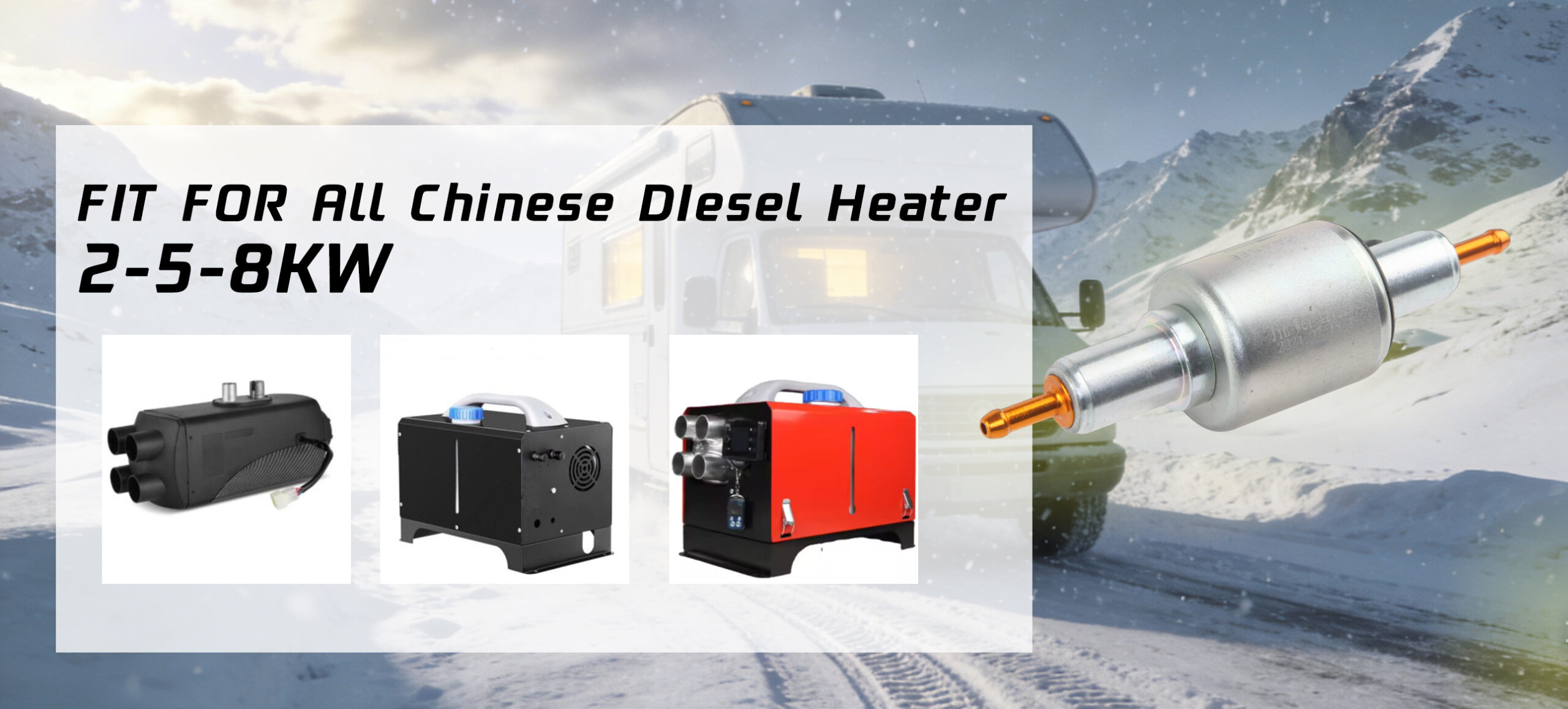
Lots of car owners tend to overlook a key component in their vehicles — the fuel pump! It’s basically the “power heart” of your car; without it, your ride won’t even start. Let me break down how it works in simple terms: it draws fuel steadily from the tank, pressurizes it accurately, then delivers it continuously to the engine’s combustion chamber through sealed fuel lines, working with the fuel injectors to get the fuel supply just right. Whether you’re cruising at low speeds for daily commutes or pushing it in high-load situations like highway overtaking or hill climbing, the fuel pump’s performance directly affects how smooth your car’s power delivery is. If the fuel pump ages or breaks down, you’ll be stuck with annoying issues like weak acceleration, tough cold starts, and sudden spikes in fuel consumption! So picking the right, high-quality fuel pump not only saves you from costly repairs but also protects your engine. Save these tried-and-true shopping tips from pro drivers!
4 Essential Tips to Nail Fuel Pump Shopping (No Regrets!)
Pick the right type: There are two main types of fuel pumps — mechanical and electric. Mechanical ones are driven by the engine’s camshaft; they’re simple, durable, and budget-friendly, perfect for economy family cars used mainly for daily commutes. Electric ones are powered by a dedicated motor, offering precise control over fuel pressure and flow. They handle complex scenarios like high-speed driving and quick acceleration effortlessly, with fast power response — ideal for high-performance vehicles or turbocharged cars. Just choose based on your budget and how you use your car.
Match pressure and flow to your engine: This is where most people mess up! Fuel pressure and flow have to match your car’s original engine specs exactly. Too low pressure, and your engine “starves” for fuel, leading to weak power. Too high pressure, and it strains the fuel system, damages seals and injectors, and makes your fuel bill skyrocket. Too little flow can’t keep up with high-load demands, while too much flow wastes fuel and even causes excessive exhaust emissions. Don’t just blindly chase “high specs”!
Check materials and craftsmanship: The fuel pump sits in the fuel tank all the time and has to endure high temperatures and pressures in the engine bay, so it needs top-notch materials and craftsmanship. Opt for products made of corrosion-resistant, wear-resistant high-quality metal or engineering plastic. Also, check the build quality — tight-fitting components and good sealing mean reliability. A good fuel pump will work steadily whether it’s scorching hot in summer or freezing cold in winter, cutting down on future breakdowns and avoiding premature failure from shoddy materials.
Ensure brand reliability and model compatibility: Don’t skip this final safety net! Go for trusted industry brands like Bosch and Denso — they have strict quality control, reliable products, and hassle-free after-sales service. Most importantly, make sure it’s a perfect fit for your car model and engine type. Original equipment manufacturer (OEM) parts or upgraded versions from reputable brands in the same specs are your best bet. Never buy “three-no” (no brand, no certification, no quality control) counterfeit parts — they’re likely to cause serious problems like fuel leaks or short circuits, and it’s just not worth the risk.
Choosing a high-quality fuel pump doesn’t just keep your car full of zip; it also lowers fuel consumption and essentially extends your engine’s lifespan. When your car has high mileage, shows signs of fuel pump trouble (like weak power or tough cold starts), or needs a replacement, keep these 4 essential tips in mind and steer clear of shoddy products. Only by picking the right, compatible fuel pump can your fuel system run efficiently, keeping your car in top shape and making every drive smooth and worry-free!